Choosing a booking system should be simple.
But for many service-based businesses, it is not.
You are often faced with a choice between two extremes.
A simple system that is easy to use but limited.
Or a complex platform packed with features that promise everything.
At first glance, more features seem like the better option.
But in practice, the decision is not that straightforward.
The wrong choice can reduce bookings, increase admin, and create friction for your customers.
Why your booking system matters more than you think
Your booking system is not just an internal tool.
It is part of your customer experience.
It affects:
- How quickly customers can book
- How easy the process feels
- Whether a booking is completed or abandoned
Every extra step, delay, or confusion point reduces the likelihood of conversion.
Booking is not just admin. It is part of your sales process.
The problem with simple booking systems
Simple booking tools are appealing because they are easy to get started with.
They typically offer:
- Basic online booking
- A simple calendar view
- Minimal setup
For new businesses, this can be enough.
But as demand increases, limitations start to appear.
These systems often lack the ability to:
- Fill gaps in your schedule
- Recover incomplete bookings
- Encourage repeat visits
Over time, this creates a ceiling on growth.
The system works, but it does not improve your business.
The problem with complex software
On the other end of the spectrum are feature-heavy platforms.
These systems promise more control and more functionality.
But they often introduce new challenges.
Common issues include:
- Cluttered dashboards
- Too many options
- Steep learning curves
- Slower booking flows
What looks powerful internally can feel overwhelming externally.
And this affects your customers just as much as it affects you.
Why complexity reduces bookings
Customers expect booking to be fast and intuitive.
If the process feels complicated, they hesitate.
If they hesitate, they drop off.
Even small delays can have a measurable impact.
Research shows that reducing friction in user interactions significantly improves completion rates and engagement source.
This means complexity is not just inconvenient.
It directly impacts revenue.
What this looks like in a real business
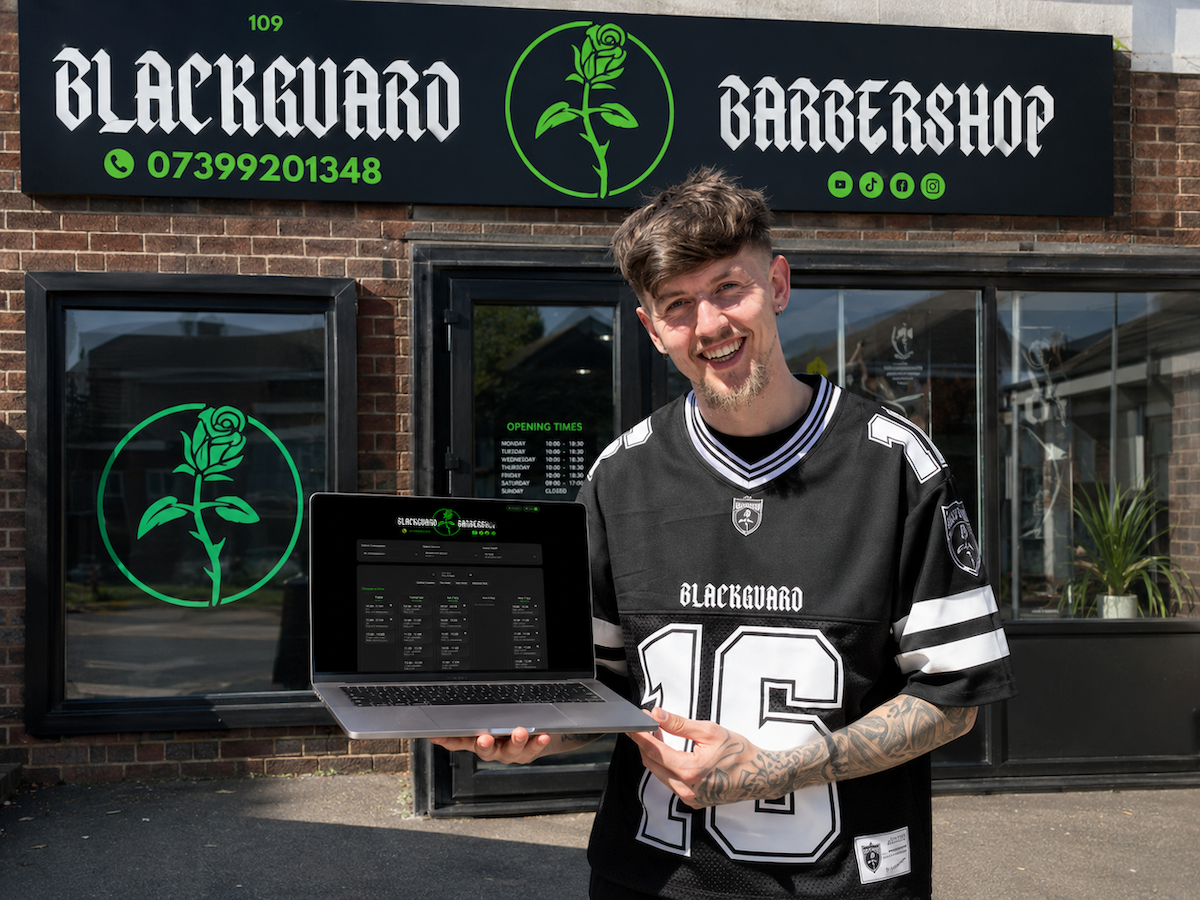
Imagine a barber using a complex booking system.
The process involves:
- Selecting a service
- Choosing a staff member
- Navigating multiple screens
- Entering unnecessary details
If just 1 in 10 customers drop off due to friction:
- That is 10% fewer bookings
- Over 40 lost bookings per month (based on 100 weekly attempts)
At £25 per appointment, that becomes:
- £1,000+ lost revenue per month
- £12,000+ per year
Now consider a beauty salon using a simple but limited system.
Customers can book easily, but the system does not:
- Fill cancellations
- Prompt rebooking
- Recover incomplete bookings
If the salon loses just 3 bookings per week due to these gaps:
- That is 12 per month
- 144 per year
At £35 per appointment:
- £420 per month
- Over £5,000 per year
In both cases, the system is holding the business back.
Just in different ways.
What actually works
The best booking systems do not sit at either extreme.
They combine simplicity with functionality.
Simple on the surface
Customers should be able to:
- See availability clearly
- Choose a time quickly
- Complete a booking in seconds
No confusion. No unnecessary steps.
Powerful underneath
Behind the scenes, the system should:
- Keep availability accurate
- Send reminders automatically
- Recover lost bookings
- Encourage repeat visits
This balance is what drives growth.
Why balance is the key to growth
You do not need more features.
You need the right features.
Features that:
- Reduce friction
- Improve conversion
- Increase retention
Too simple, and you limit growth.
Too complex, and you reduce bookings.
The right system sits in the middle.
Common mistakes when choosing booking software
Many businesses make similar mistakes when choosing a system.
These include:
- Choosing based on features rather than usability
- Ignoring the customer experience
- Overcomplicating the booking flow
- Underestimating the impact of friction
These decisions can seem minor at first.
But over time, they have a direct impact on revenue.
What happens when you choose the right system
The impact of choosing the right booking system is not always immediate.
But over time, the difference becomes clear.
A business using a well-balanced system typically sees:
- Higher booking completion rates
- Fewer abandoned bookings
- More consistent daily schedules
For example, if a business improves its booking completion rate from 80% to 90% simply by reducing friction:
- That is 10 additional bookings per 100 attempts
- 40 additional bookings per month (based on 100 weekly attempts)
At an average booking value of £30, that results in:
- £1,200 additional revenue per month
- Over £14,000 per year
And this improvement does not come from more marketing or more traffic.
It comes from improving the booking experience itself.
This is what makes choosing the right system so important.
It is not just about managing bookings.
It is about converting demand into actual revenue.
Businesses often focus on generating more enquiries.
But in many cases, the biggest gains come from improving how those enquiries turn into confirmed bookings.
Where Bewkd fits
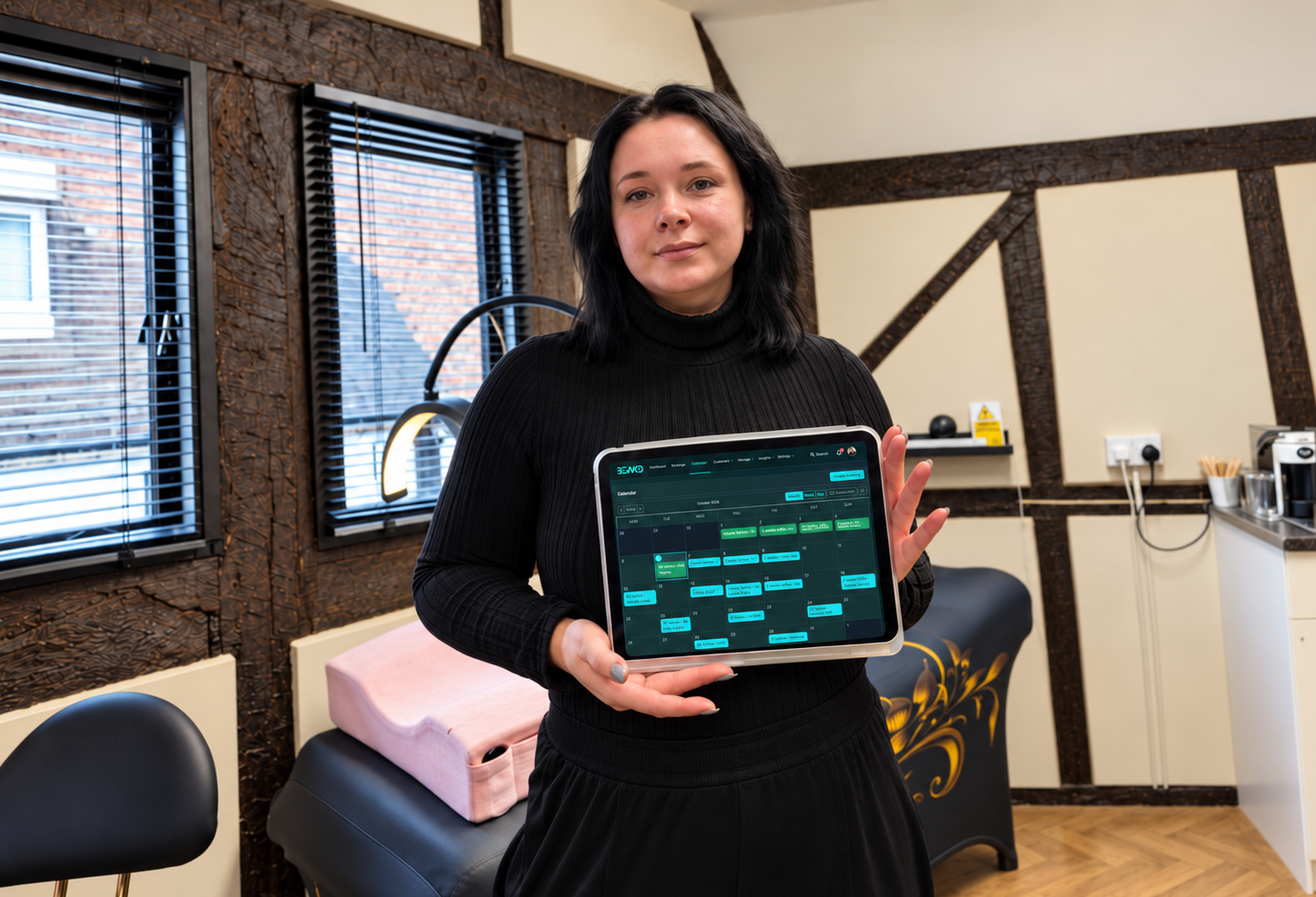
Bewkd is designed to combine simplicity with powerful functionality.
It focuses on:
- Clean, fast booking experiences
- Accurate availability with calendar sync
- Tools to fill gaps and recover bookings
- Built-in rebooking and retention features
The goal is to keep booking simple for customers while handling complexity behind the scenes.
FAQs about booking systems
Should I choose a simple or advanced booking system?
The best choice is a system that feels simple to use but includes the tools needed to grow your business.
Do more features mean a better booking system?
Not necessarily. Too many features can create complexity and reduce conversion.
How does booking system complexity affect revenue?
More friction leads to more drop-offs, which directly reduces the number of completed bookings.
Final thoughts
Choosing the right booking system is not about picking the most features.
It is about choosing what actually works.
The best systems remove friction, improve conversion, and support long-term growth.
Because when booking is simple for your customers and effective behind the scenes, your business becomes easier to run and easier to grow.