Marketplace booking platforms can feel like an easy win.
They promise more visibility, more customers, and a simple way to start taking bookings.
For many service-based businesses, they work well in the early stages.
But as your business grows, the limitations become harder to ignore.
What initially feels like support can gradually become a constraint.
Why marketplace platforms are so appealing
Platforms like Fresha and Booksy make it easy to get started.
They offer:
- A ready-made booking system
- Built-in exposure to new customers
- A simple onboarding process
This removes the need to build your own system from scratch.
For new businesses, this can be a huge advantage.
But these benefits come with trade-offs.
The problem with shared visibility
When you join a marketplace, you are not just gaining exposure.
You are entering a competitive environment.
Your business is shown alongside others offering similar services.
Customers can:
- Compare prices instantly
- Check availability across multiple providers
- Switch between options in seconds
This changes how decisions are made.
Instead of choosing based on trust or loyalty, customers often choose based on convenience or price.
Your competitors are always one click away
Even if a customer finds your business first, they are constantly exposed to alternatives.
They can:
- See who is cheaper
- See who is available sooner
- Compare reviews and profiles
This reduces the likelihood of long-term loyalty.
And over time, it increases customer churn.
What this looks like in a real business
Imagine a barber using a marketplace platform.
A customer finds their profile and considers booking.
Before confirming, they see three other barbers nearby:
- One is slightly cheaper
- One has earlier availability
- One has more reviews
Even if your service is better, the customer may choose based on convenience.
Now consider a beauty salon.
If a salon receives 50 bookings per week through a marketplace, but loses just 10% of potential customers to nearby competitors:
- That is 5 lost bookings per week
- 20 per month
- 240 per year
At an average booking value of £35, that equals:
- £700 per month
- £8,400 per year
And this loss is not obvious.
It happens quietly through comparison and switching.
In higher-value services, the impact is even greater.
A clinic offering £80 treatments losing just 2–3 bookings per week could be losing:
- £600–£1,000 per month
- £7,000–£12,000 per year
All from customers choosing alternatives within the same platform.
You do not fully own the customer relationship
When bookings happen through a marketplace, the platform sits between you and your customer.
This means:
- The platform controls the booking experience
- Your brand becomes secondary
- Customer loyalty is weaker
Your business becomes part of the platform’s ecosystem.
Not the other way around.
This makes it harder to build long-term relationships.
Price pressure increases over time
Marketplace environments naturally encourage comparison.
And comparison often leads to price competition.
Customers browsing multiple options tend to focus on:
- Price
- Availability
- Convenience
This can push businesses toward lowering prices to stay competitive.
Over time, this reduces margins.
And makes it harder to grow sustainably.
Fees reduce profitability
Many marketplace platforms introduce additional costs.
These can include:
- Commission per booking
- Payment processing fees
- Subscription upgrades
Individually, these may seem small.
But over time, they reduce your profit per booking.
And as your volume increases, so does the total cost.
The long-term growth problem
Marketplace platforms are useful for getting started.
But they are not always built for long-term growth.
If your business relies on them heavily, you risk:
- Losing control over your customer base
- Competing constantly for attention
- Becoming dependent on a platform you do not own
This limits your ability to scale independently.
Supporting insight
Research shows that increased price transparency can lead to more switching behaviour and reduced customer loyalty in competitive markets source.
This is exactly what happens inside marketplace platforms.
The alternative: owning your booking experience
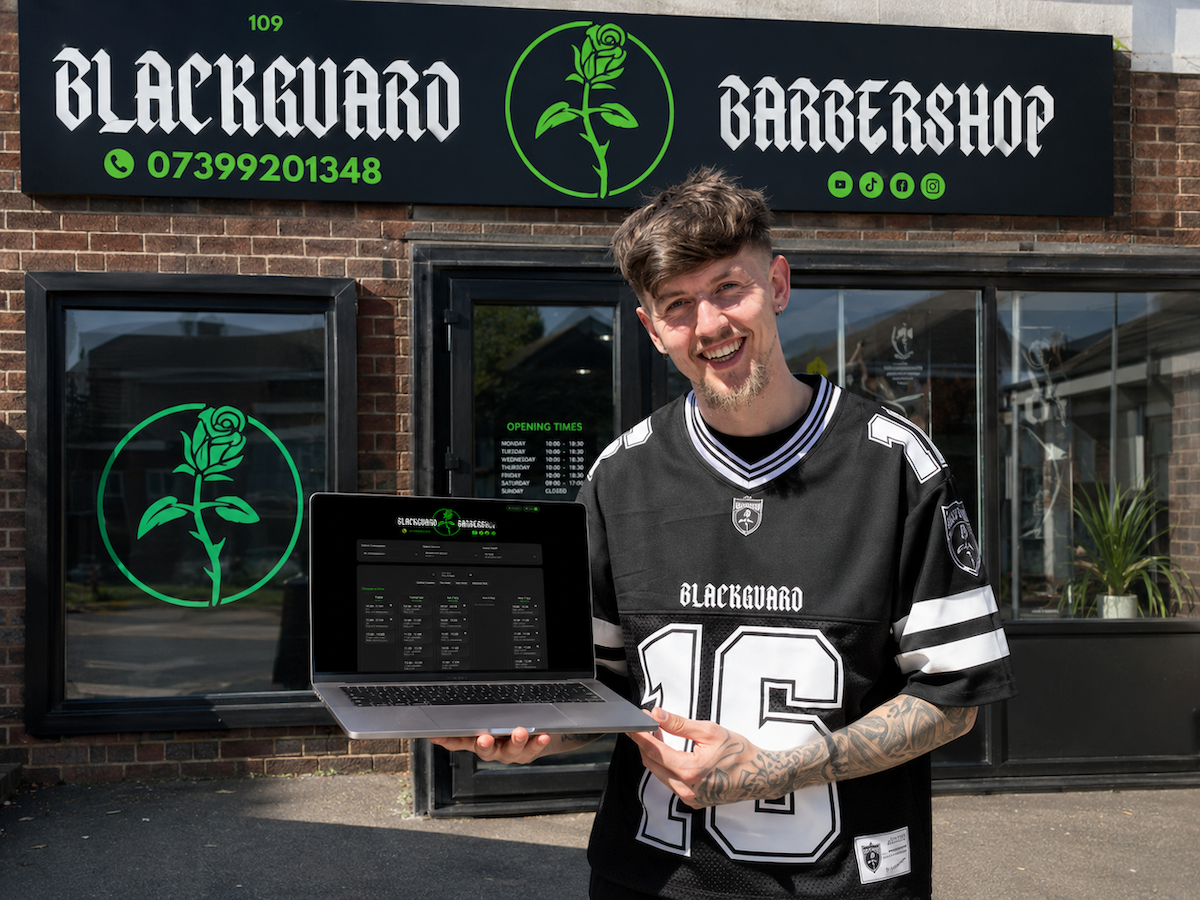
When customers book directly with you, everything changes.
You control:
- The booking journey
- The customer experience
- Your branding
There are no competing listings next to you.
No distractions.
No direct comparisons.
This allows you to build stronger relationships and increase retention.
Why direct booking performs better
When customers interact directly with your business:
- The focus stays on you
- The experience is more consistent
- The likelihood of repeat bookings increases
This creates a more stable and predictable business.
Where Bewkd fits
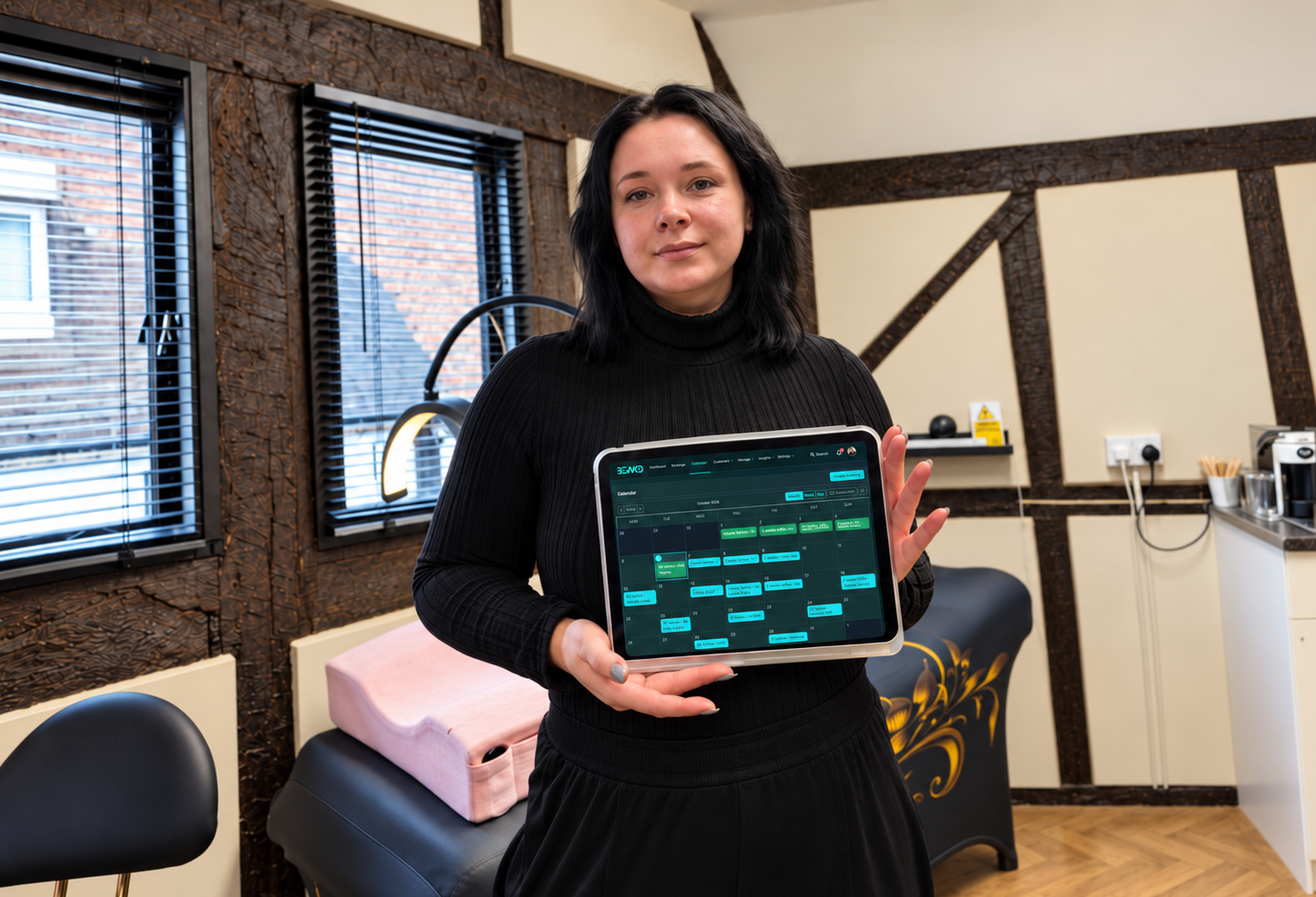
Bewkd is designed to help businesses move away from marketplace dependency.
It focuses on:
- Direct booking pages
- Clean, simple booking experiences
- Tools to increase bookings and retention
Instead of competing inside a marketplace, you build your own system.
When it makes sense to move away from marketplaces
You should consider switching if:
- You want more control over your business
- You are losing customers to competitors on the same platform
- You want to improve repeat bookings
- You want to increase profitability
FAQs about marketplace booking platforms
Are marketplace booking platforms bad for business?
They are useful for getting started, but can limit growth over time due to competition and reduced control.
Why do customers switch between businesses on marketplaces?
Because they can easily compare price, availability, and reviews in one place.
Is it better to have your own booking system?
In most cases, yes. Owning your booking experience leads to stronger relationships, better retention, and higher profitability.
Final thoughts
Marketplace platforms offer convenience and visibility.
But they also introduce competition, reduce control, and create long-term limitations.
The businesses that grow the most are not the ones with the most exposure.
They are the ones that own their customer relationships.
Because when customers book directly with you, your business becomes more than just an option.
It becomes the first choice.