Why Manual Booking Is Costing Your Business Money (And How to Fix It)
If you run a service-based business, there is a good chance you still take bookings through messages, calls, or even a paper diary.
At first, this feels simple.
Customers message you, you reply, and you confirm a time.
But as your business grows, this system starts to break down.
What seems manageable at the beginning slowly becomes one of the biggest hidden costs in your business.
Manual booking does not just take time.
It quietly limits your revenue.
The hidden cost of manual booking
Most business owners do not realise how much they are losing through manual processes.
The impact is not obvious at first.
It shows up in small, repeated moments that add up over time.
Missed opportunities from delayed responses
Customers expect fast replies.
If someone messages you while you are busy with another client, you cannot always respond immediately.
By the time you reply, they may have already booked elsewhere.
This is one of the biggest hidden losses.
Speed matters more than most businesses realise.
Studies on user behaviour consistently show that faster response times lead to higher conversion rates source.
The problem with back-and-forth conversations
Manual booking often turns into a conversation instead of a transaction.
A typical exchange looks like this:
- What times do you have?
- Is Tuesday available?
- Do you have anything later?
- What about next week?
Each message adds friction.
Each delay increases the chance that the customer drops off.
Modern customers expect convenience.
If booking takes too long, they will choose a simpler option.
Human error and double bookings
Manual systems rely entirely on memory and attention.
Even the most organised business owner makes mistakes.
Double bookings happen.
Times get mixed up.
Notes get missed.
These issues do not just create inconvenience.
They damage trust.
And once trust is damaged, customers are less likely to return.
No recovery of lost bookings
Not every customer completes a booking.
Some start the process and never finish.
With manual booking, there is no system to recover these opportunities.
There is no follow-up.
No reminder.
No second chance.
That booking is simply lost.
No structure for repeat business
Repeat bookings are one of the most important drivers of growth.
But manual systems do not support them.
You rely on:
- Customers remembering
- Occasional reminders
- Asking at the end of appointments
This creates inconsistency.
And inconsistency limits growth.
What this looks like in a real business
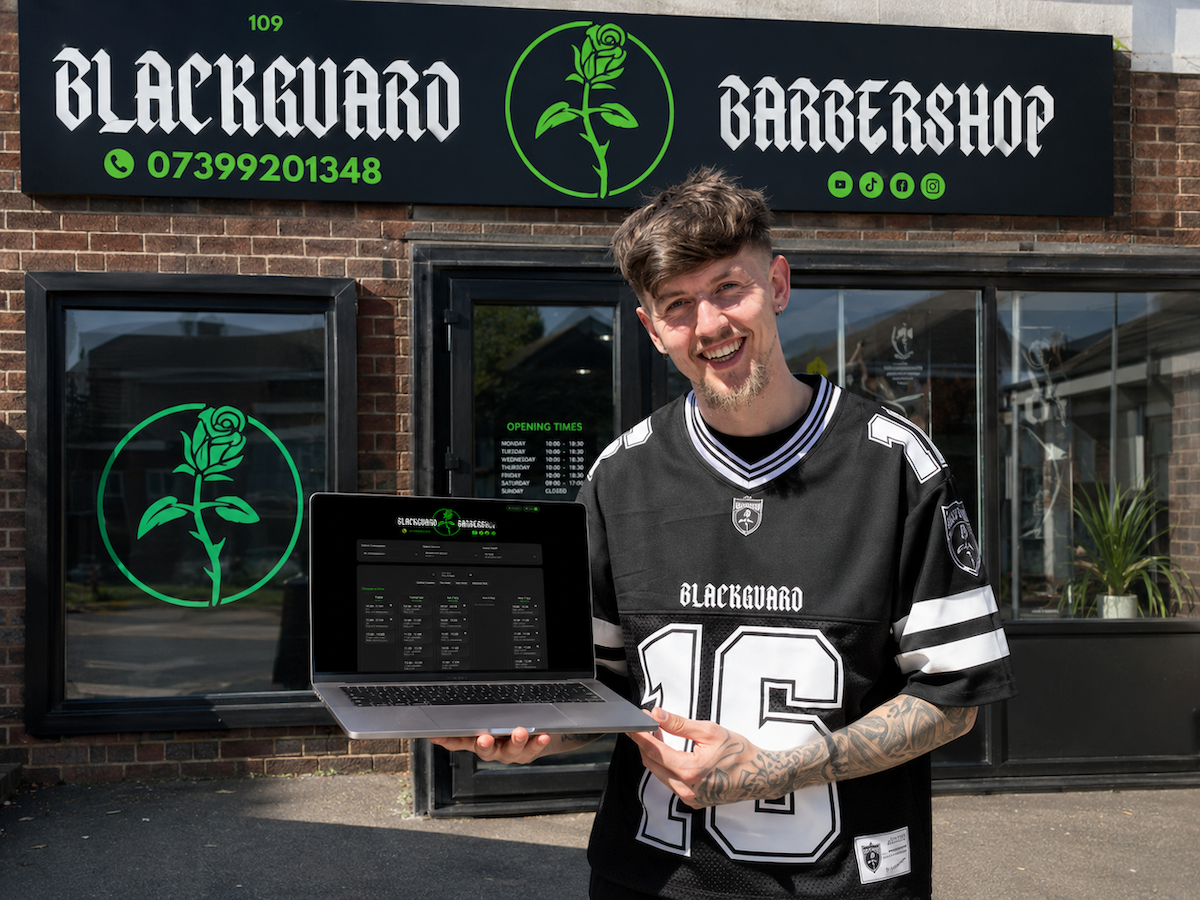
Imagine a barber who handles 30 bookings per week.
If just 2 customers per week are lost due to slow replies or missed messages:
- That is 8 lost bookings per month
- Nearly 100 per year
If the average appointment is £25, that is:
- £200 per month
- £2,500 per year
That is a significant amount of lost revenue from small inefficiencies.
Now consider a nail technician or beauty salon.
If a salon completes 40 appointments per week and loses just 3 bookings:
- That is 12 lost bookings per month
- 144 per year
At an average booking value of £35, that becomes:
- £420 per month
- Over £5,000 per year
In a clinic setting, the impact can be even higher.
If treatments average £60 - £100 per session, even a small number of missed bookings can quickly scale into thousands in lost revenue annually.
In each case, the pattern is the same.
Small gaps, missed messages, and delays do not feel like major issues day to day.
But over time, they create a consistent loss that directly impacts growth.
What this looks like across different service businesses
Manual booking affects different industries in similar ways.
A barber may lose bookings due to missed messages during busy hours.
A nail technician may struggle with back-and-forth scheduling that delays confirmation.
A tattoo studio may lose higher-value bookings if enquiries are not handled quickly.
In each case, the issue is the same.
The longer it takes to confirm a booking, the higher the chance the customer goes elsewhere.
This makes speed and simplicity critical.
Why customers now expect instant booking
Customer expectations have changed significantly.
People are used to booking instantly for:
- Restaurants
- Travel
- Deliveries
They expect the same experience when booking services.
If they cannot book immediately, they are more likely to continue searching.
This means businesses that rely on manual responses are at a disadvantage.
Speed is no longer a bonus.
It is expected.
Why basic booking tools are not enough
Many businesses move from manual booking to basic online systems.
This is a step forward.
But it does not solve everything.
Basic tools allow customers to book.
But they do not help you:
- Fill gaps
- Recover lost bookings
- Increase repeat visits
They solve the surface problem, not the underlying one.
What a better system looks like
To actually grow your business, your booking system needs to work for you.
Not just store appointments.
Instant booking
Customers should be able to book immediately without waiting for a reply.
Accurate availability
Your calendar should update automatically.
Booking recovery
Lost bookings should not stay lost.
Rebooking systems
Customers should be prompted to return at the right time.
Where Bewkd fits in
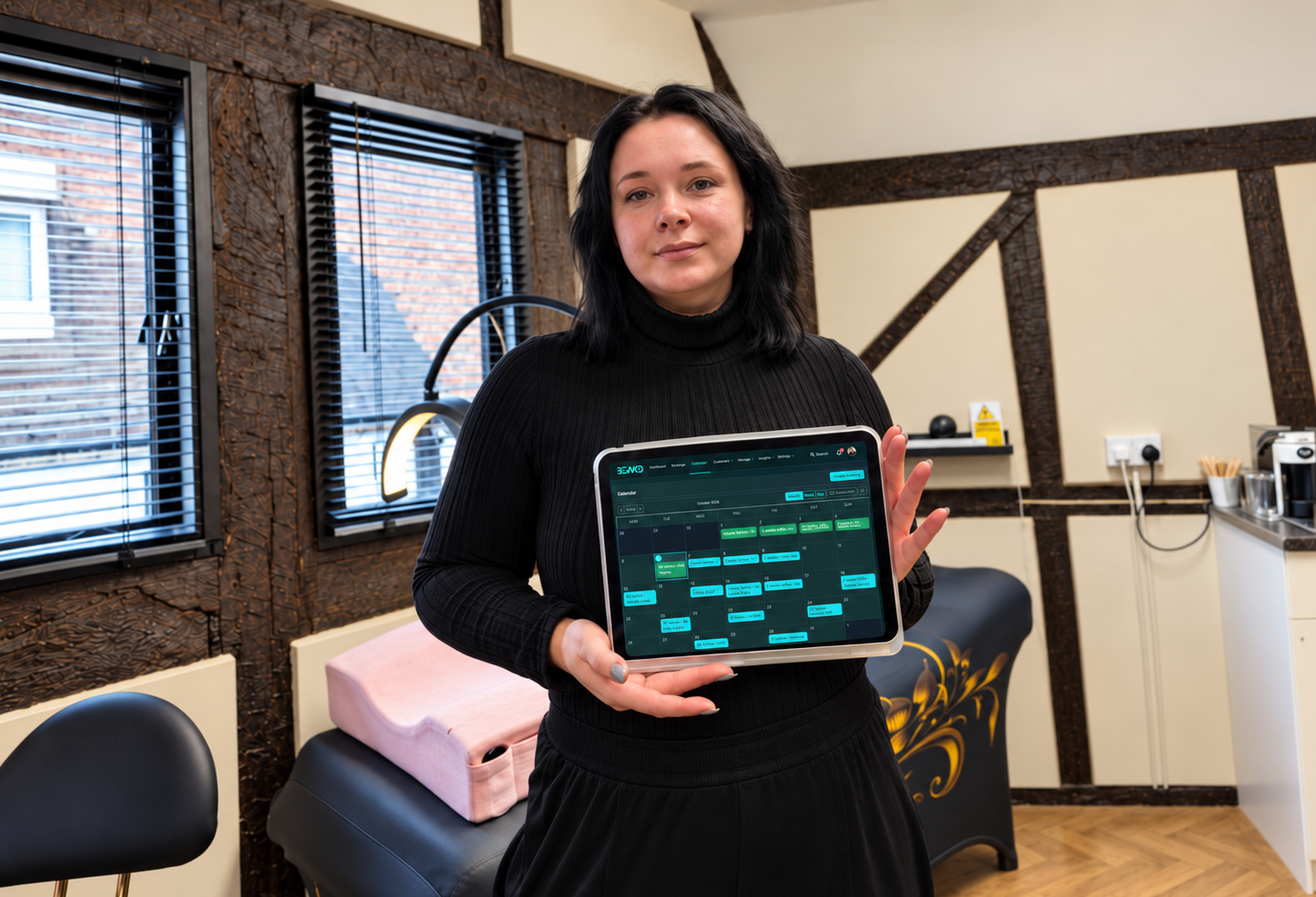
Bewkd is designed to remove the friction from booking while adding systems that drive revenue.
It helps you:
- Take bookings instantly online
- Keep availability accurate
- Recover unfinished bookings
- Increase repeat bookings automatically
The result
When you remove manual booking:
- More customers complete bookings
- Fewer opportunities are missed
- Your calendar becomes more consistent
- You spend less time managing admin
FAQs about manual booking
Is manual booking bad for small businesses?
It can work early on, but it becomes inefficient as demand grows.
When should I switch to an online booking system?
As soon as you start missing messages, experiencing delays, or struggling to manage bookings.
Does online booking increase revenue?
Yes, by reducing friction and capturing more completed bookings.
Final thoughts
Manual booking feels simple.
But it creates hidden inefficiencies that limit growth.
Replacing it with a smarter system is not just about convenience.
It is one of the fastest ways to increase revenue in a service-based business.